


01
Silage-Based Feedstock Enhancement
- Biological conditioning.
- Replaces heavy mechanical pretreatment.
- 10-15% higher methane recovery.
- Lower parasitic energy consumption.
Transforming Farmland into India's Next Energy Frontier
A national-scale platform converting agricultural waste into compressed bio gas through a circular model — from soil to fuel, and back to soil.
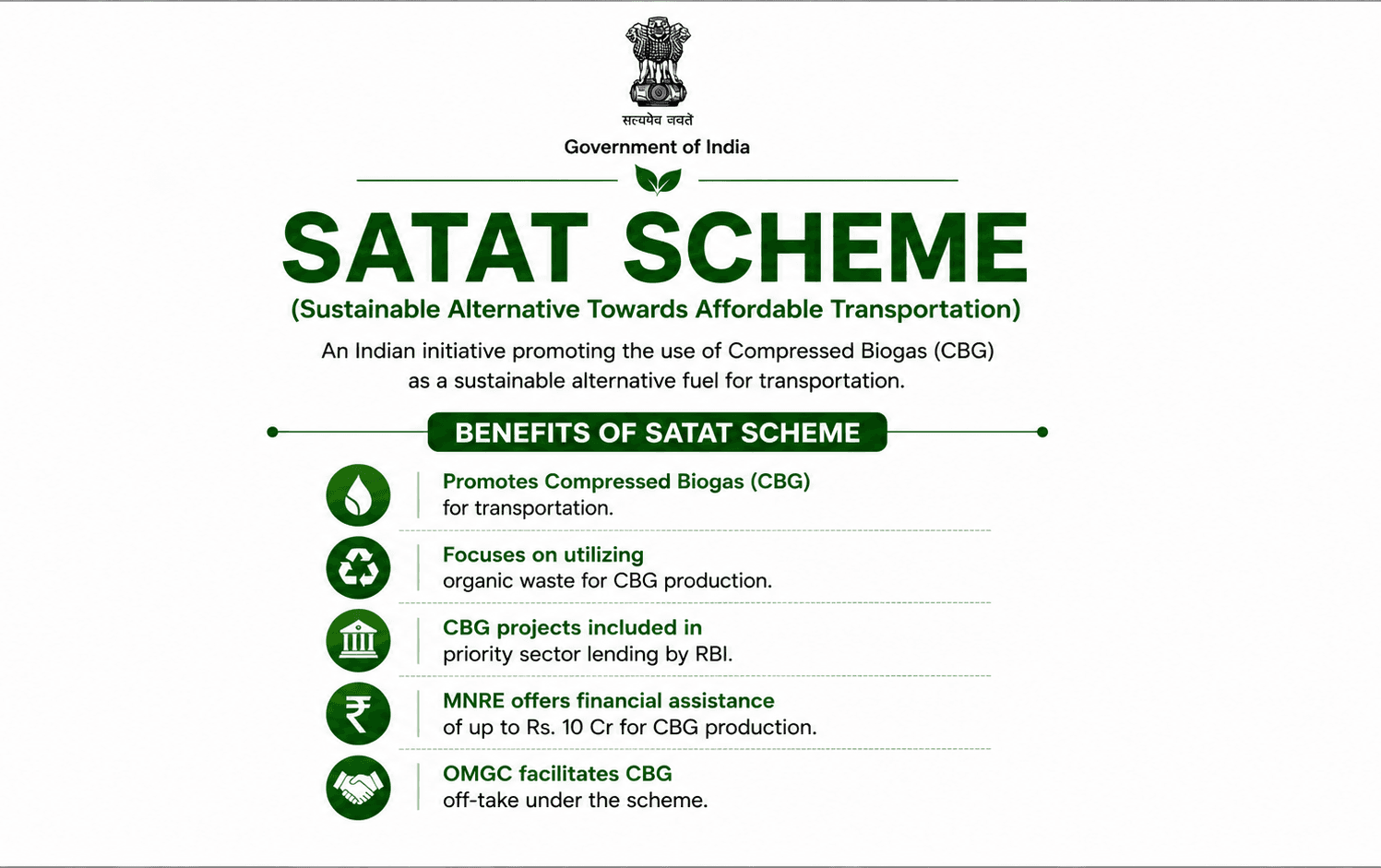
$158B import bill. Mandated CBG offtake. Pre-built market.
India spends $158 billion annually importing fuel it could produce at home. Mandatory CBG blending obligations, guaranteed offtake through city gas networks, and central financial assistance have pre-built the market. The infrastructure that fills this window will define India's decentralized energy landscape for the next three decades. That window is open right now.
A closed-loop model where agricultural biomass becomes clean energy, and process outputs regenerate farmland productivity.
Structured sourcing from local farms creates reliable feedstock cycles.
Engineered digestion maximizes methane recovery with process stability.
Refined gas reaches industrial-grade compressed bio-gas quality.
Nutrient-rich outputs return to farmland and strengthen soil health.
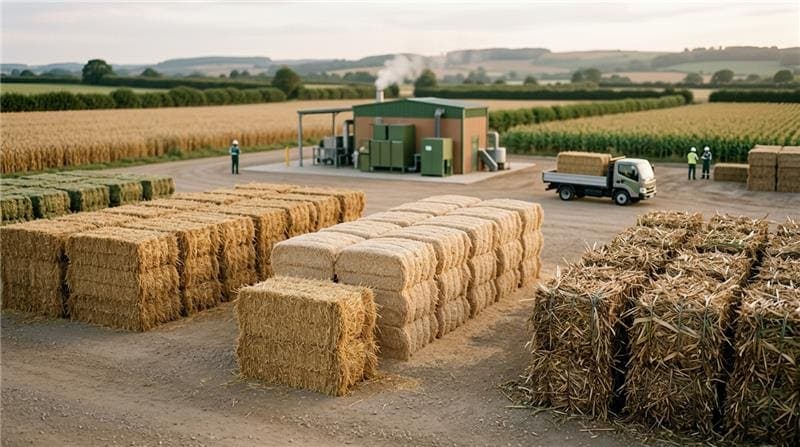
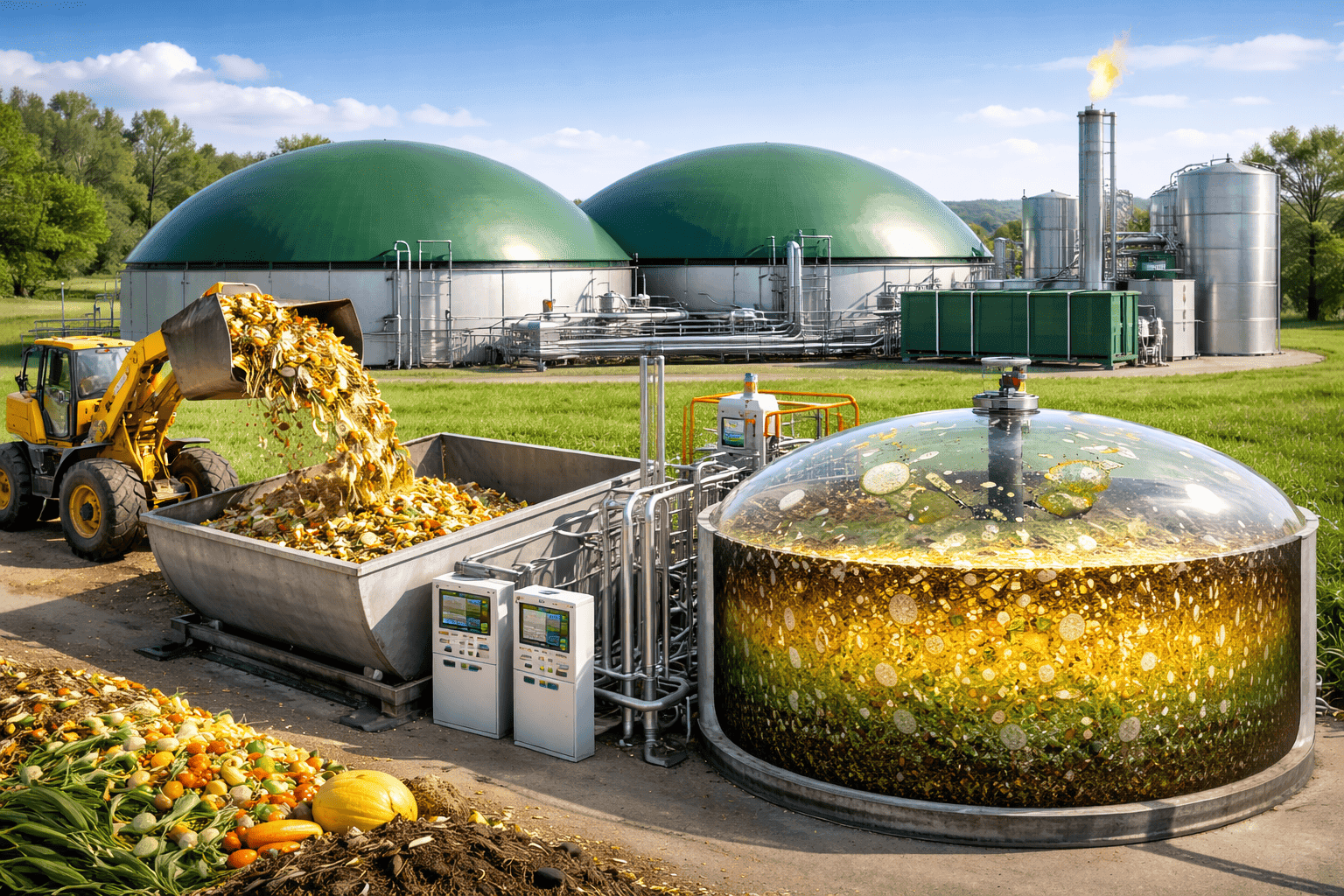
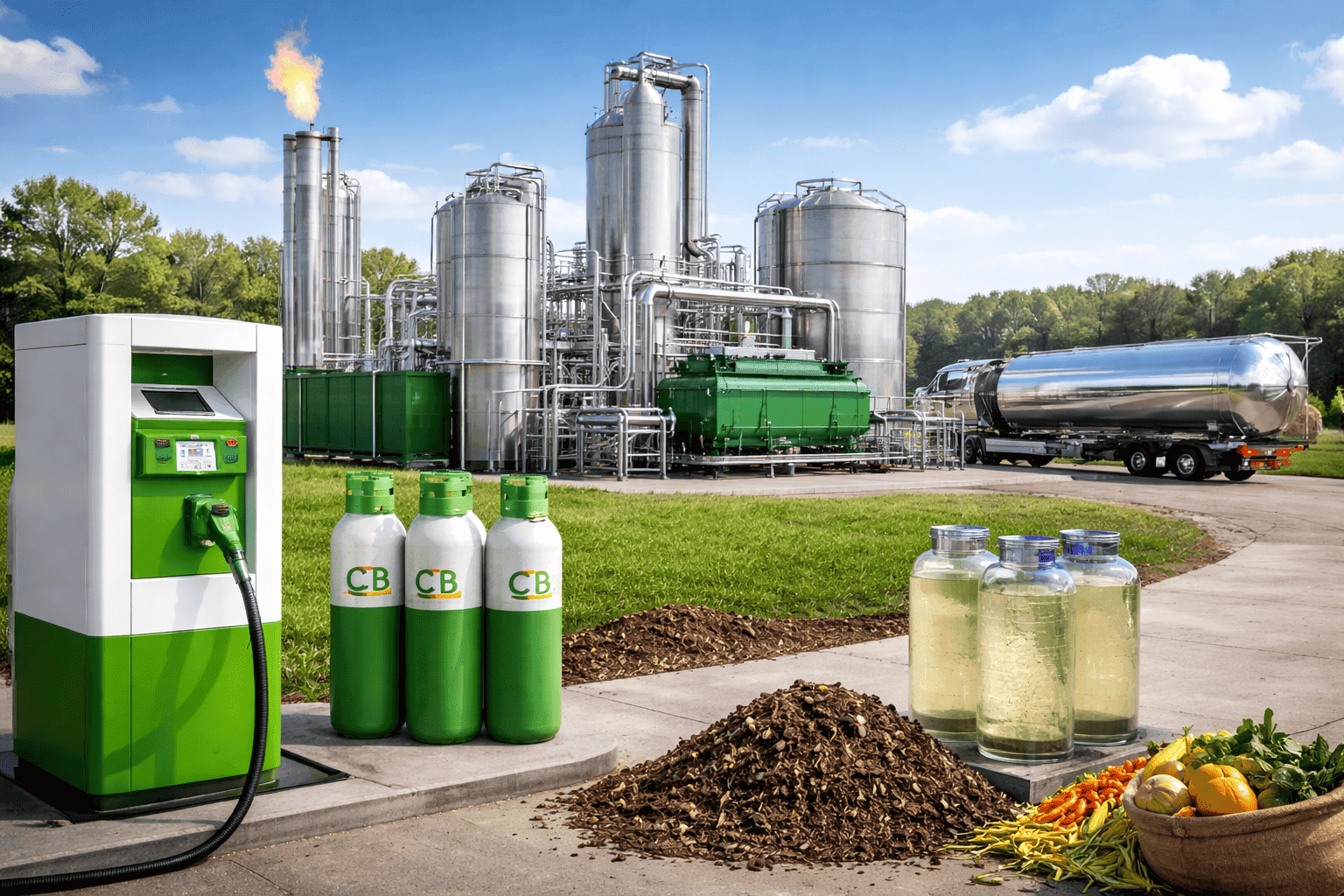
Five pillars of engineering innovation driving a 95% efficiency system
Integrated end-to-end — from feedstock conditioning through upgrading — designed as a single high-efficiency platform.
Measurable climate impact and rural transformation per 5-10 TPD Plant
of clean CBG daily (~33 lakh kg annually)
tonnes of CO2 reduction per year
strengthened farmer income streams
acres integrated into the biomass economy
Soil organic carbon restoration
Side-by-side performance benchmark of conventional plants and the Kaukiliya advantage
Mechanical shredding
Baseline
Direct feed / buffer tank
Single-stage
Post-process only
92-95%
Vent / low grade
Moderate
Biological silaging
+10-15% higher recovery potential
Premix homogenised feed
Dual-stage optimisation
Controlled at biological source
97-99%
Food-grade extraction
High (engineered stability model)
Balancing performance, stability, and impact at scale.
Stable production through controlled biological systems
Higher usable yield with optimized energy input
Reduced emissions with regenerative soil benefits
Adaptable across regions and feedstock conditions
Partner with us to build the nation’s largest decentralized bio-energy infrastructure.